 Skip to content
The bright Carolina sunshine is one of the region’s most defining features, but it also brings challenges for vehicle owners. Prolonged exposure to sunlight can lead to interior fading, increased cabin temperatures, and even skin damage during daily commutes. That’s where car window tinting comes in as a reliable solution to protect vehicles and passengers from harmful UV rays.
In North and South Carolina, drivers experience long summers and clear skies that demand year-round protection. High-quality window tinting doesn’t just improve aesthetics it significantly enhances UV protection, comfort, and safety. Let’s explore how tinting helps safeguard your car from the powerful Carolina sun.
Understanding Why UV Protection Matters for Carolina Drivers
The Impact of Intense Sunshine
Carolina summers can be bright and relentless, exposing vehicles to prolonged sunlight almost year-round. The ultraviolet radiation emitted by the sun penetrates car windows, damaging interior materials and heating up cabin temperatures. Drivers may feel this as a constant glare, while over time, leather seats and dashboards start to crack or discolor. That’s why having UV protection through professional tinting is not just a luxury but a practical necessity for every Carolina driver.
How UV Rays Affect Interiors
UV rays break down the molecular structure of materials such as leather, vinyl, and fabric. This process leads to color fading, brittleness, and surface cracking. Even factory-installed glass cannot fully block UV radiation, allowing long-term exposure to deteriorate your car’s interior. Window tinting helps filter out up to 99% of these rays, ensuring your car maintains its pristine appearance while keeping the cabin cooler and more comfortable during hot months.
Exploring the Car Window Tinting Technology
How Tint Blocks UV Rays
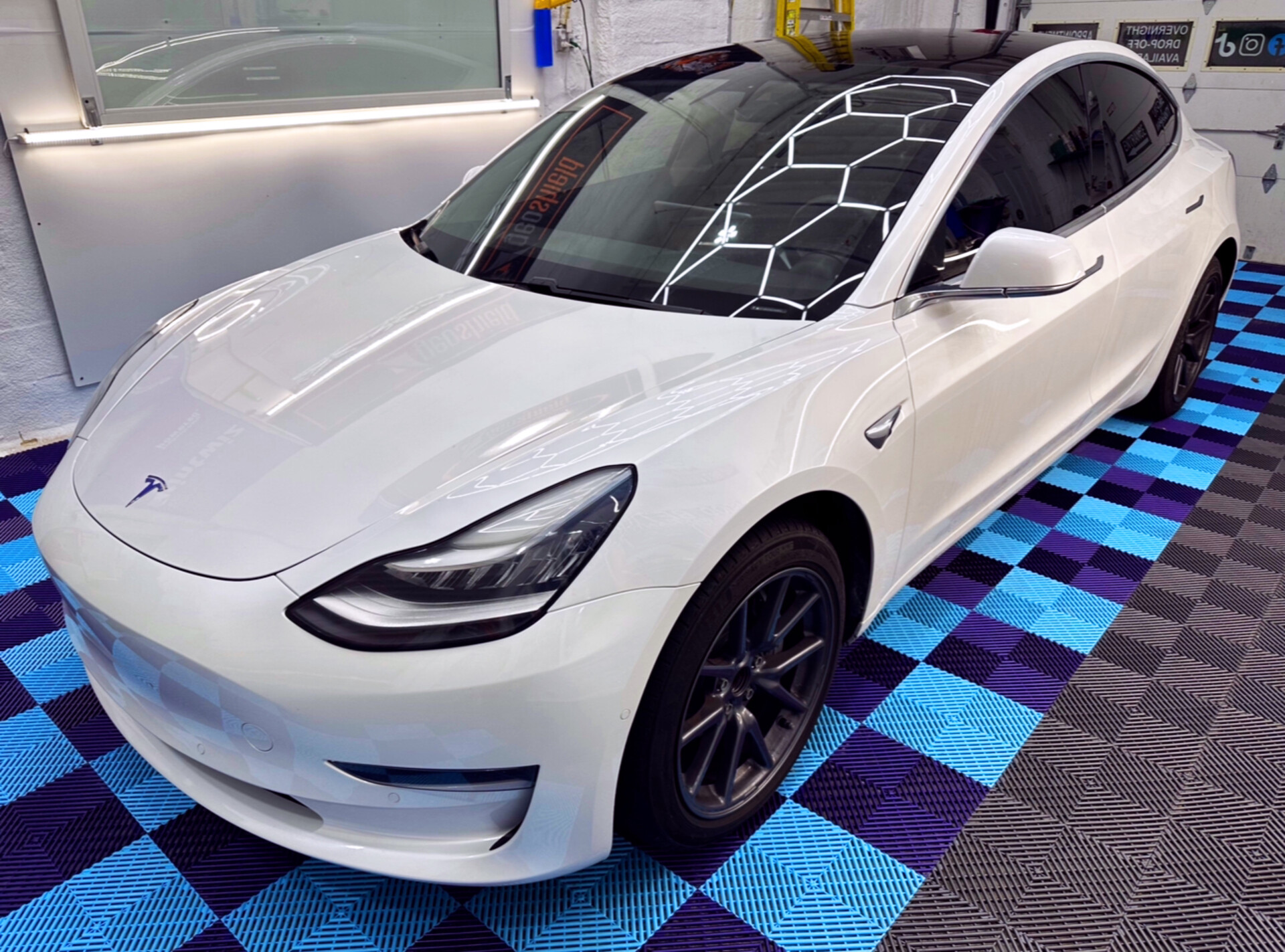
Modern window films are designed using advanced technology that incorporates metallic, carbon, or ceramic particles. These particles absorb or reflect sunlight, blocking ultraviolet radiation from entering the car’s cabin. The tint creates an invisible barrier that minimizes heat buildup and protects surfaces from UV damage, all while maintaining excellent visibility from the inside.
The Role of Nano Ceramic Films
Nano ceramic window films take UV protection a step further. They use microscopic ceramic particles that efficiently reject both infrared and ultraviolet rays without interfering with signals from GPS, mobile phones, or radios. This makes ceramic tinting ideal for drivers seeking superior protection, durability, and clarity even under the Carolina sun.
Why Window Tinting Is Essential in North & South Carolina
Regional Climate and Sun Exposure
Both North and South Carolina experience long periods of sunlight, high humidity, and elevated temperatures. These factors combine to increase UV intensity inside vehicles. Continuous exposure not only leads to discomfort but also accelerates material degradation. For residents who commute daily, tinting acts as a year-round defense against these environmental challenges.
Health and Safety Considerations
UV rays are not only harmful to interiors but to human skin as well. Overexposure increases the risk of premature aging and skin conditions. By choosing professional Car Window Tinting North & South Carolina, you protect yourself and passengers from nearly all UV penetration, reducing long-term exposure while improving driving safety and comfort.
Types of Window Films for UV Protection
Dyed and Carbon Film Options
Dyed films are the most affordable choice, offering moderate UV protection and enhanced privacy. Carbon films, on the other hand, deliver stronger UV blocking and better heat reduction. They don’t fade over time, making them ideal for drivers who want durability without sacrificing clarity.
Ceramic and Infrared Film Benefits
Ceramic and infrared films are considered the premium standard for UV protection. They outperform dyed and carbon tint by rejecting both ultraviolet and infrared radiation. Their composition prevents glare, reduces heat buildup, and ensures color stability even after years of exposure, giving vehicles a sleek finish and lasting defense.
The Long-Term Benefits of Window Tinting for Vehicle Owners
Protection Against Skin Damage
Even while driving, your skin can absorb harmful UV radiation through standard glass windows. Tinted windows block most of this exposure, acting as an invisible sunscreen. This provides peace of mind, especially for frequent commuters who spend long hours in traffic under bright sunlight.
Preventing Vehicle Interior Fading
Consistent sun exposure leads to faded upholstery, discolored panels, and brittle materials. Tinting helps preserve your vehicle’s original appearance by filtering UV rays that cause degradation. It also reduces cabin temperature, further minimizing thermal stress on interior components.
The Energy Efficiency Advantages of Car Window Tinting
Regulating Interior Temperature Efficiently
Tinting acts like insulation for your vehicle, keeping the cabin cooler during the day. By reflecting and absorbing solar energy, tinted windows reduce interior temperature fluctuations and create a balanced driving environment even on the hottest afternoons.
Reducing Dependence on Air Conditioning
Lower cabin heat means less strain on your vehicle’s air conditioning system. This translates into improved fuel efficiency and reduced mechanical wear. Over time, this small improvement contributes to lower energy consumption and longer vehicle lifespan.
How Car Window Tinting Improves Driving Comfort and Visibility
Glare Reduction for Safer Driving
Driving under bright sunlight or reflective road surfaces can strain the eyes and increase accident risk. Tinting helps minimize glare by controlling how much light passes through the glass. This enhances visual comfort and sharpens your focus on the road.
Clear Vision During Bright Conditions
High-quality tint balance brightness and visibility perfectly. You can still enjoy clear, distortion-free views outside while shielding your eyes from harsh light. This makes long drives through Carolina’s open highways more comfortable and less tiring.
Myths and Misconceptions About Window Tinting and UV Protection
Misunderstanding Tint Darkness and UV Blocking
Some believe that only dark tint offers UV protection, but that’s not true. Even lighter films can provide excellent UV rejection depending on their composition. What truly matters is the technology behind the tint, not just how dark it appears.
Legal Limitations Versus Actual Effectiveness
Each state, including North and South Carolina, regulates how dark a tint can be. However, UV blocking capability isn’t always tied to tint darkness. Advanced ceramic films remain highly effective while staying within legal limits, offering both compliance and superior protection.
Environmental Benefits of Modern Window Tinting Solutions
Lower Carbon Emission Contribution
By reducing your reliance on air conditioning, tinted vehicles consume less fuel, indirectly cutting carbon emissions. This small eco-friendly choice contributes to sustainability while lowering overall energy waste.
Sustainable Material and Application Choices
High-quality films today are made from environmentally responsible materials that last longer and reduce replacement waste. Professional installers like Black Bear Protective Films ensure proper application that minimizes environmental impact.
Why Professional Installation Delivers the Best Results
Precision and Quality Assurance Matters
Proper installation ensures that the tint adheres evenly without bubbles or peeling. Professionals understand glass curvature, adhesive strength, and film alignment, delivering a flawless finish that lasts for years.
Longevity and Warranty Protection
Professionally installed films often come with warranties covering peeling, bubbling, or fading. This ensures that your investment remains protected and your vehicle continues to perform efficiently in harsh sunlight.
How to Maintain Your Vehicle’s Window Tint Over Time
Cleaning and Care Recommendations
Use ammonia-free cleaners and soft microfiber cloths to clean tinted surfaces. Harsh chemicals or rough tools can damage the film and reduce its lifespan. Gentle maintenance keeps the tint clear and smooth for years.
Avoiding Common Maintenance Mistakes
Avoid rolling down windows immediately after installation and prevent sharp objects from coming into contact with the tint. Small precautions go a long way in maintaining the film’s clarity and adhesion quality.
Choosing the Right Tint for Your Needs in Carolina
Matching Tint Level to Lifestyle
Different drivers have different needs. Some prefer maximum privacy, while others prioritize clarity. Discussing your options with experts ensures you select the perfect balance between UV protection, comfort, and local laws.
Considering Local Climate Conditions
North and South Carolina’s heat and humidity require tint that resist cracking and fading. Ceramic and carbon-based films perform best under these regional conditions, offering durability and optimal protection year-round.
How Black Bear Protective Films Ensures Reliable Protection
Industry Expertise and Advanced Techniques
With years of experience in precision tinting, Black Bear Protective Films uses cutting-edge technology and superior-grade materials to ensure effective UV protection and flawless application for all vehicles.
Focus on Lasting Customer Value
Their commitment to quality ensures clients enjoy consistent results, aesthetic appeal, and practical protection. Each installation delivers long-term benefits, keeping vehicles safer, cooler, and more efficient under Carolina’s bright sun.
Conclusion
Carolina’s sun can be both a blessing and a challenge for drivers. Investing in Car Window Tinting North & South Carolina provides lasting UV protection, interior preservation, and enhanced comfort. With solutions designed for local weather, expert installation from professionals like Black Bear Protective Films ensures your vehicle remains stylish, efficient, and well-protected for years to come.
FAQs
How much UV protection does window tinting provide?
High-quality window tint can block up to 99% of harmful ultraviolet radiation, helping safeguard both passengers and vehicle interiors from long-term sun damage.
Can window tinting help with heat reduction?
Yes, ceramic and carbon window tint significantly lower cabin temperatures by reducing infrared heat penetration, keeping your car cooler in Carolina’s warm climate.
Is window tinting legal in North and South Carolina?
Both states have specific regulations on tint darkness, but professional installers ensure that your tint complies with local laws while still providing strong UV protection.
Does window tint affect visibility at night?
When installed correctly using high-quality films, window tinting maintains excellent nighttime visibility without causing reflection or distortion issues.
How long does professional window tint last?
With proper maintenance and care, professional-grade window tint can last 10 years or longer, retaining their appearance and performance throughout changing seasons.

